
The Living
Canvas
Beyond the logistical hurdle of securing a van gogh museum ticket lies a chronological journey through the most significant collection of 19th-century art in the world. Experience the evolution of a master from the deep shadows of Nuenen to the sun-drenched intensity of Saint-Rémy.
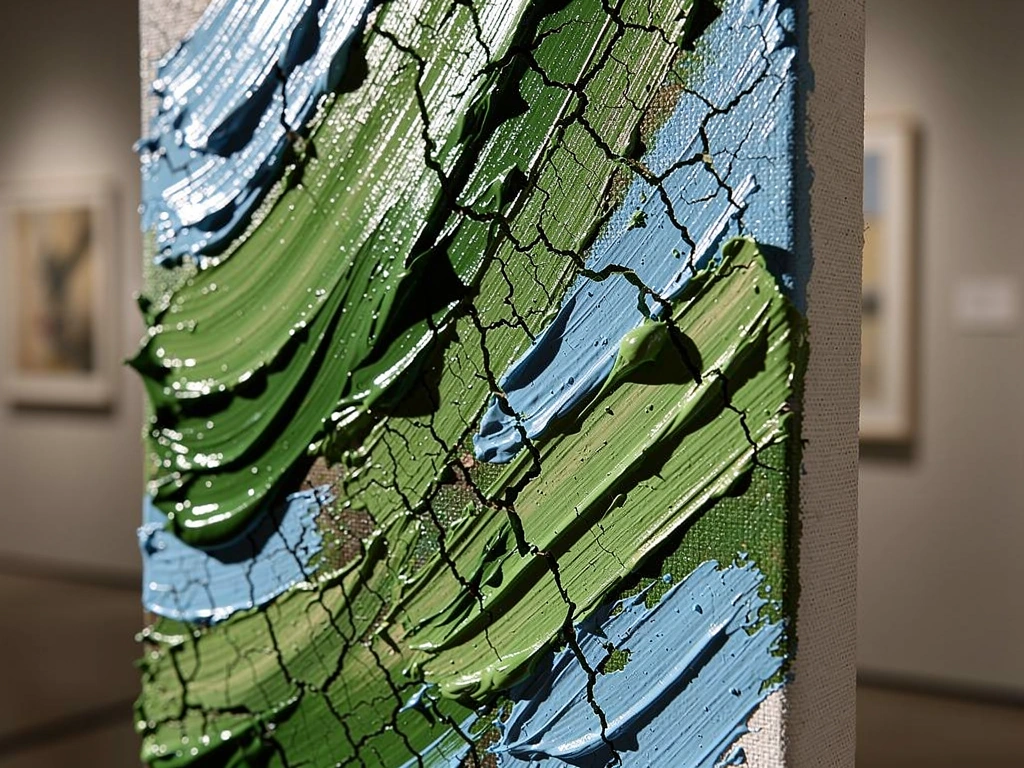
Iconic works that defined a generation.
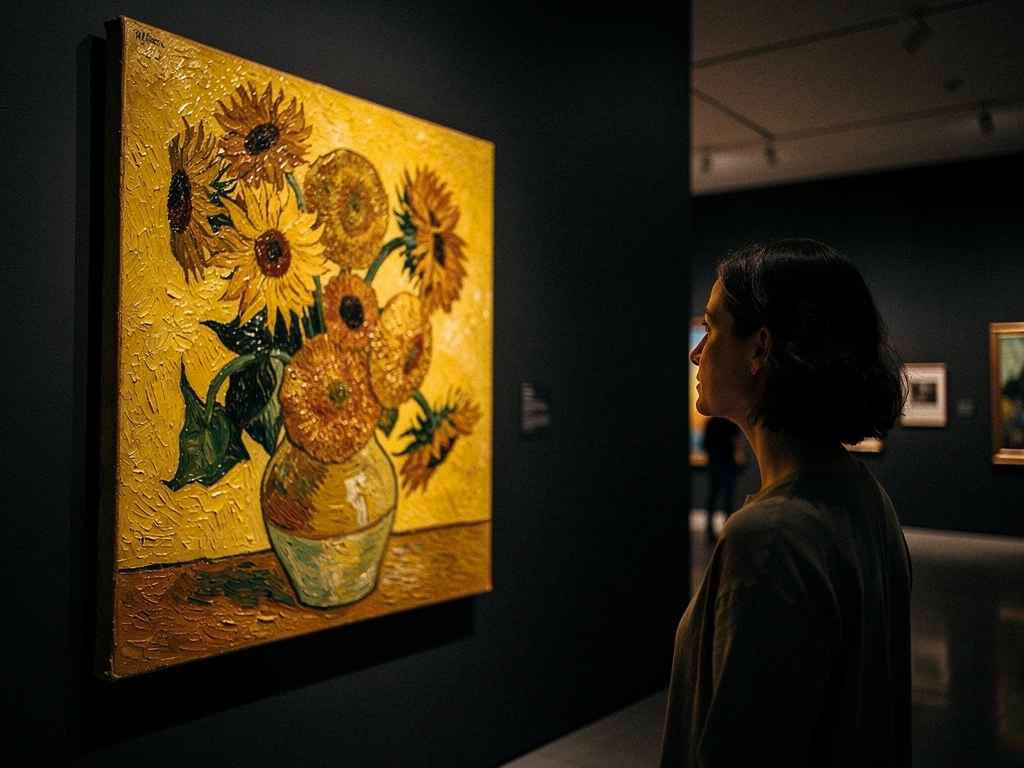
Sunflowers (1889)
More than a floral study, this work represents Vincent's quest for an "art of the future." Painted to decorate Gauguin’s bedroom in Arles, it utilizes a symphony of yellows—Chrome yellow, Ochre, and Cadmium—to create a sculptural texture known as impasto.
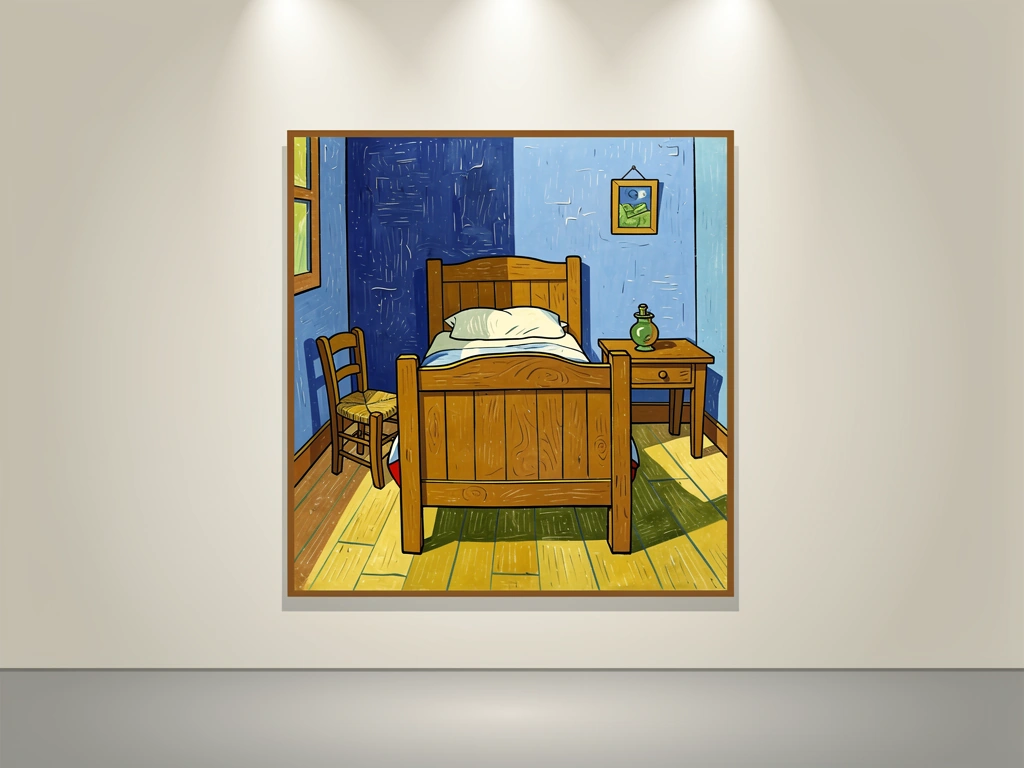
The Bedroom
A search for "absolute rest." The intentional lack of shadows and the flattened perspective mirror the influence of Japanese woodblock prints that Vincent collected fervently during his time in Paris.
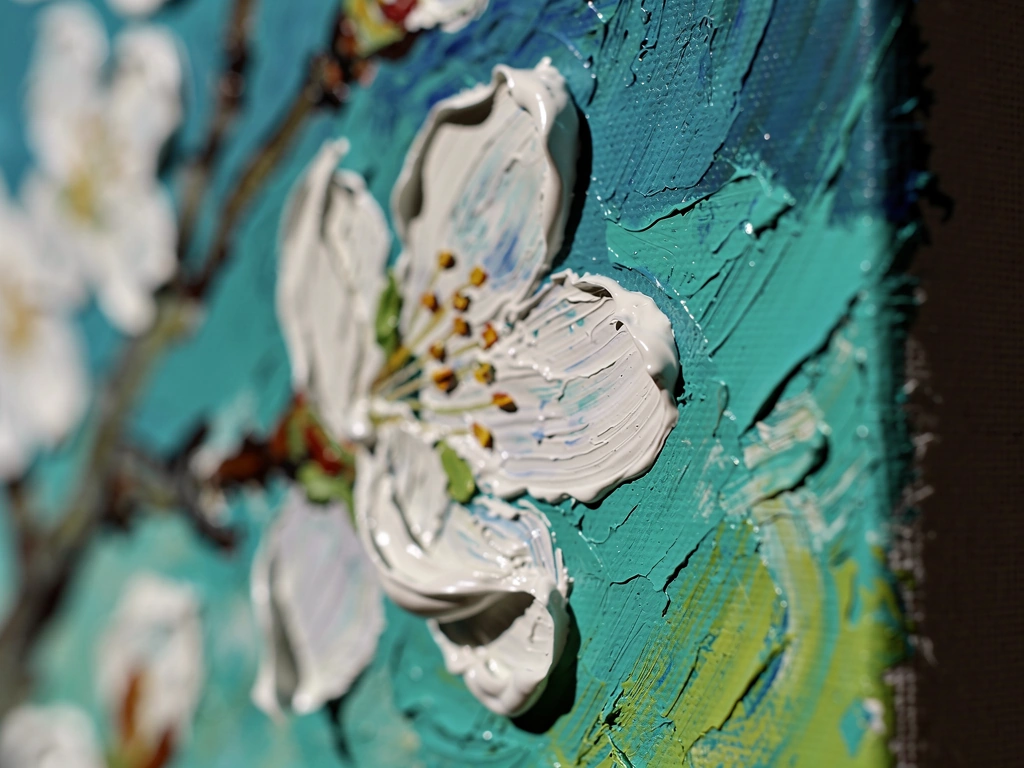
Almond Blossom
Painted in 1890 as a gift for his brother Theo’s newborn son, this remains one of the collection's most beloved pieces. It departs from his usual heavy outlines for a delicate, floating composition.
The Man Behind the Myth.
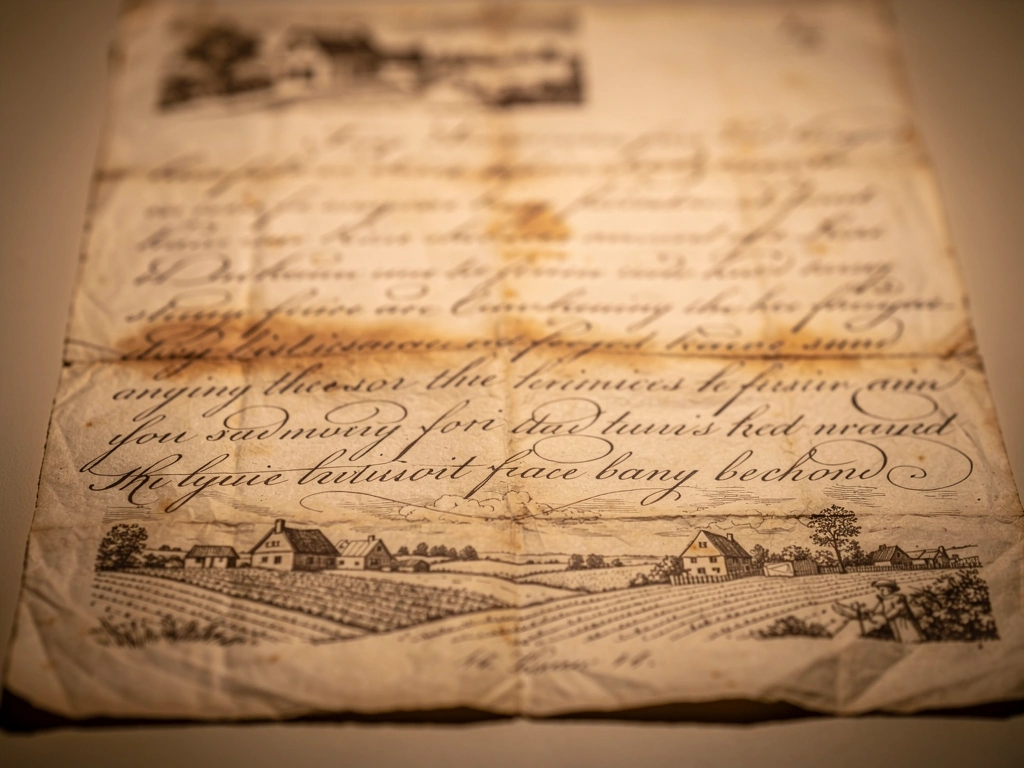
The Van Gogh Museum houses much more than oil on canvas. On the intermediate floors, the collection unveils the extensive correspondence between Vincent and his brother, Theo. These letters serve as a psychological map of his career.
By examining the pencil sketches and draft drawings tucked between written lines, visitors witness the rigorous discipline required to transform a raw observation into a masterpiece. Seeing these drafts reveals that his seemingly frantic style was, in fact, the result of intense calculation.
A Chronological Ascent.
The Rietveld and Kurokawa buildings are arranged to follow Vincent's life journey. Plan your route to avoid the densest crowds.
The Formative Years
Start with the self-portraits and the gritty reality of his early Dutch period. Here, The Potato Eaters anchors the space, depicting the harsh life of the peasants in Brabant.
- • Self-Portrait with Felt Hat
- • The Potato Eaters
- • Early Sketchbooks
The Major Masterpieces
The zenith of the museum. This floor holds the Arles and Saint-Rémy masterpieces between 1888 and 1890. Use your van gogh museum ticket to access this floor early in the morning for the quietest viewing.
- • Sunflowers & The Bedroom
- • The Yellow House
- • The Sower
Legacy & The End
Explore the final months in Auvers-sur-Oise. This level highlights Wheatfield with Crows and examines his profound influence on the coming generations of artists.
- • Wheatfield with Crows
- • Tree Roots (The last work)
- • Gauguin & Bernard Dialogue
Deciphering the Style
Impasto Technique
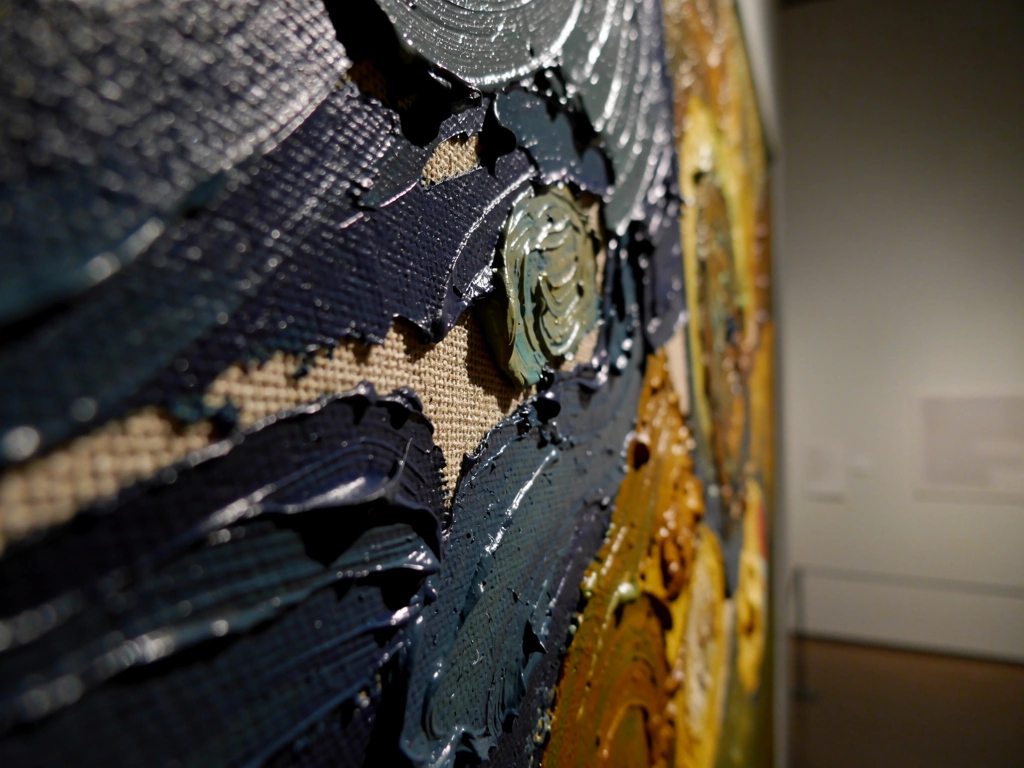
Vincent often applied paint directly from the tube or with a palette knife, creating 3D ridges that catch the gallery light. This technique provides his work with its characteristic "pulsing" energy.
Color Theory
Observe the use of complementary colors—orange against blue, yellow against violet. These pairings heighten the visual vibration and emotional intensity of the scene.
Experience the Original Strokes.
Digital previews only offer a glimpse. The sheer scale and physical presence of the canvases at Museumplein 6 require a dedicated visit. Ensure your entry by booking your time slot in advance.